by Moroccan Nomad Tours
Share
by Moroccan Nomad Tours
Share
What to Pack for a Sahara Desert Trek in Morocco
Packing correctly for a Sahara desert trek in Morocco is one of the most important steps in preparing for your journey. The Sahara is a place of breathtaking beauty, silence, and vast landscapes, but it is also a remote and challenging environment. Being well-prepared ensures not only your comfort but also your safety during the experience.
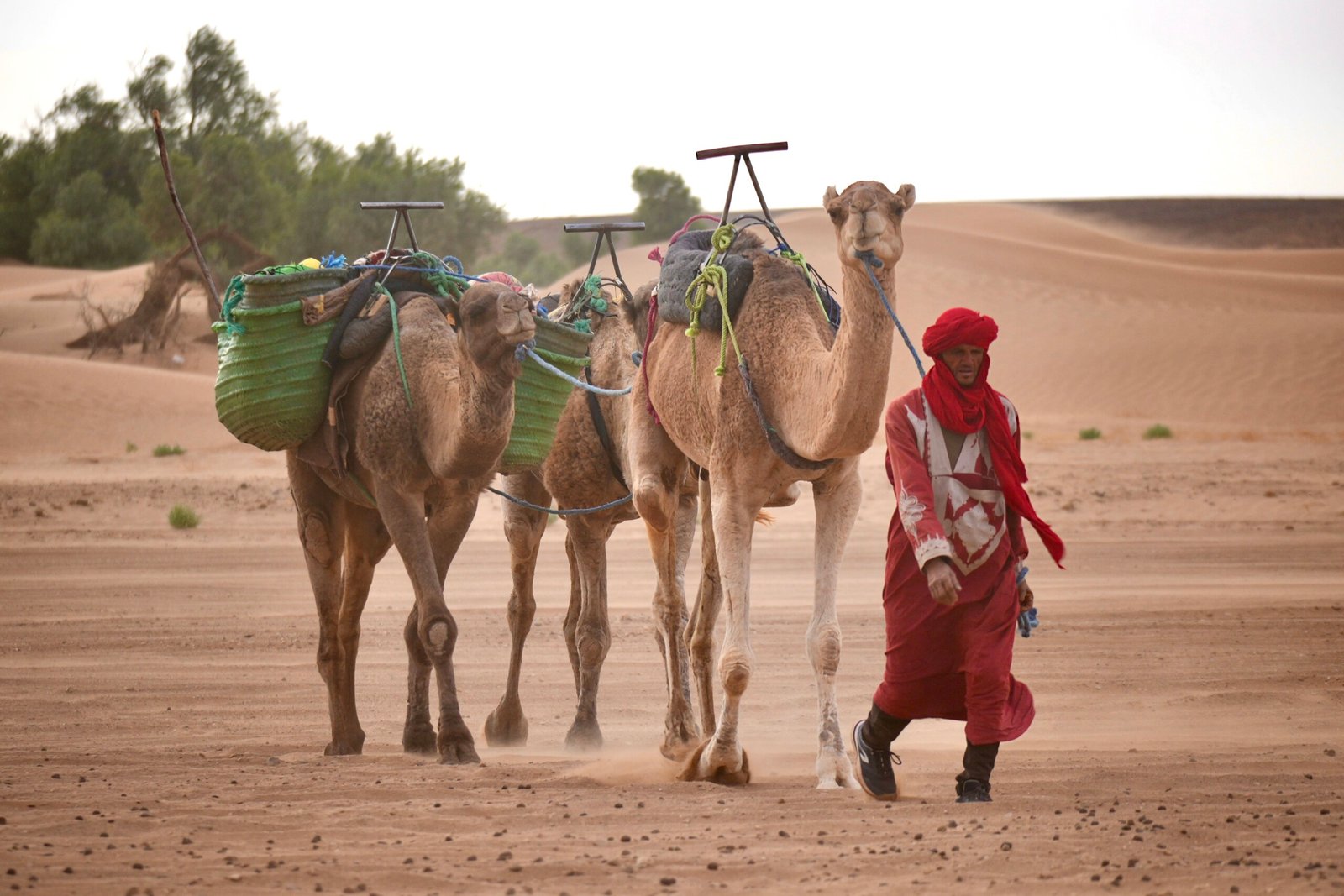
Unlike a typical trip, a desert trek requires thoughtful packing. Days can be hot under the sun, while nights often become surprisingly cold. You may walk for several hours across sand dunes and rocky terrain, and your luggage is usually carried by camels. This means every item you bring should be practical, lightweight, and essential.
In this guide, we will walk you through everything you need to pack for a Sahara desert trek in Morocco, helping you enjoy every moment of your adventure with confidence and ease.

Understanding the Desert Environment
Before creating your Sahara packing list, it’s important to understand the unique conditions of the Moroccan desert. Temperatures can vary dramatically between day and night. During the day, especially from spring to autumn, the sun can be intense, with temperatures reaching above 30°C. However, once the sun sets, temperatures can drop significantly, sometimes below 10°C in the winter months.
The terrain is also diverse. While many imagine only soft sand dunes, desert trekking often includes rocky paths, dry riverbeds, and uneven ground. Wind and sand can also be factors, making protective clothing essential.
This contrast in climate and terrain is why packing smart is key. The goal is to stay comfortable in both heat and cold while keeping your load minimal.
Clothing: Light, Layered, and Practical
Choosing the right clothing is one of the most important parts of your desert trekking gear. Lightweight, breathable fabrics are essential during the day, while warm layers are necessary for the evenings.
Daytime Clothing
- Loose, breathable shirts (preferably long-sleeved for sun protection)
- Lightweight trousers or trekking pants
- Comfortable t-shirts
- Wide-brim hat or cap
Light colors are recommended as they reflect sunlight and help keep you cool. Long sleeves may seem counterintuitive in the heat, but they actually protect your skin from the sun.
Evening & Night Layers
- Warm fleece or jacket
- Long-sleeve thermal top (especially in winter)
- Light scarf or shawl
Desert nights can be surprisingly cold, especially between November and February. Layering allows you to adapt easily to changing temperatures.
Traditional Scarf or Turban
A scarf, often referred to as a cheche, is one of the most useful items you can bring. It protects your face from sun, wind, and sand while also adding an authentic touch to your experience.

Footwear: Comfort is Essential
One of the most common mistakes travelers make is underestimating the importance of proper footwear. A Sahara desert trek involves walking for several hours each day, sometimes on soft sand and sometimes on rocky terrain.
- Comfortable walking shoes or lightweight hiking shoes
- Breathable socks (bring extra pairs)
- Sandals for relaxing at camp
Your shoes should already be broken in before the trip to avoid blisters. Comfort should always come before style.
Sun Protection: A Must in the Sahara
The sun in the desert is strong and constant. Protecting yourself is essential to avoid sunburn and dehydration.
- Sunscreen (SPF 30 or higher)
- Sunglasses with UV protection
- Hat or head covering
- Lip balm with SPF
Reapply sunscreen regularly throughout the day, especially during long walks.
Hydration & Essentials
Staying hydrated is critical in the desert. Even if you don’t feel thirsty, your body loses fluids quickly due to the dry climate.
- Reusable water bottle
- Electrolyte tablets (optional but helpful)
- Snacks like nuts or energy bars
Most organized treks provide water, but having your own bottle ensures you always have access when needed.
Personal Items & Toiletries
Since you will be in a remote environment, it’s important to bring your personal essentials.
- Toothbrush and toothpaste
- Wet wipes or biodegradable wipes
- Hand sanitizer
- Basic first aid kit
- Personal medications
Keep it minimal and practical. Space is limited, and your items will be transported by camels.
Sleeping & Comfort Items
Most desert camps provide bedding, but you can bring a few items to enhance your comfort.
- Light sleeping bag (optional)
- Travel pillow
- Headlamp or flashlight
A headlamp is especially useful at night, as camps are often lit minimally to preserve the natural atmosphere.

Electronics & Extras
While the desert is a place to disconnect, you may still want to capture memories or stay prepared.
- Camera or smartphone
- Portable power bank
- Travel adapter
Electricity is limited in the desert, so charging devices in advance is essential.
What NOT to Pack
When thinking about what to pack for a desert trek in Morocco, it is just as important to know what to leave behind.
- Heavy suitcases
- Unnecessary clothing
- Valuable items
- Too many shoes
Remember: simplicity is part of the desert experience. Packing light allows you to move freely and enjoy the journey.
Final Tips for a Successful Desert Trek
Preparation is the key to a successful Sahara adventure. Focus on essentials, choose practical items, and think in terms of comfort and adaptability. The desert rewards those who travel light and stay present.
By following this Sahara packing list, you will be ready to embrace the beauty, silence, and authenticity of the Moroccan desert. From walking across golden dunes to sharing tea under the stars, every moment becomes more enjoyable when you are well-prepared.
FAQs: Sahara Desert Packing & Travel Tips
What should I wear for a Sahara desert trek?
Wear lightweight, breathable clothing during the day and warm layers at night. Long sleeves are recommended for sun protection.
Do I need special shoes for desert trekking?
Comfortable walking or hiking shoes are essential. Make sure they are already broken in before your trip.
Is it cold at night in the Sahara?
Yes, desert nights can be cold, especially in winter. Bringing a warm jacket or fleece is highly recommended.
How much luggage should I bring?
Keep your luggage minimal. Since camels carry your belongings, it’s best to pack light and focus only on essentials.
Do I need a sleeping bag?
Most desert camps provide bedding, but a light sleeping bag can add extra comfort if you prefer.
Explore the Sahara with Moroccan Nomad Tours
If you’re planning a Sahara desert trek, our private experiences are designed to combine comfort, authenticity, and deep cultural connection. Travel with experienced local guides and discover the desert at your own pace.
STAY IN THE LOOP