Morocco Off the Beaten Track Desert Tours

Morocco Off the Beaten Track Desert Tours

Travel beyond Morocco’s classic tourist routes and discover a deeper, quieter side of the country. Our off-the-beaten-track desert tours are designed for travelers who want to escape mass tourism, avoid big groups, and experience the Sahara at a natural, unhurried pace. These journeys focus on remote landscapes, meaningful encounters, and the feeling of being far away from crowded roads and standard itineraries.

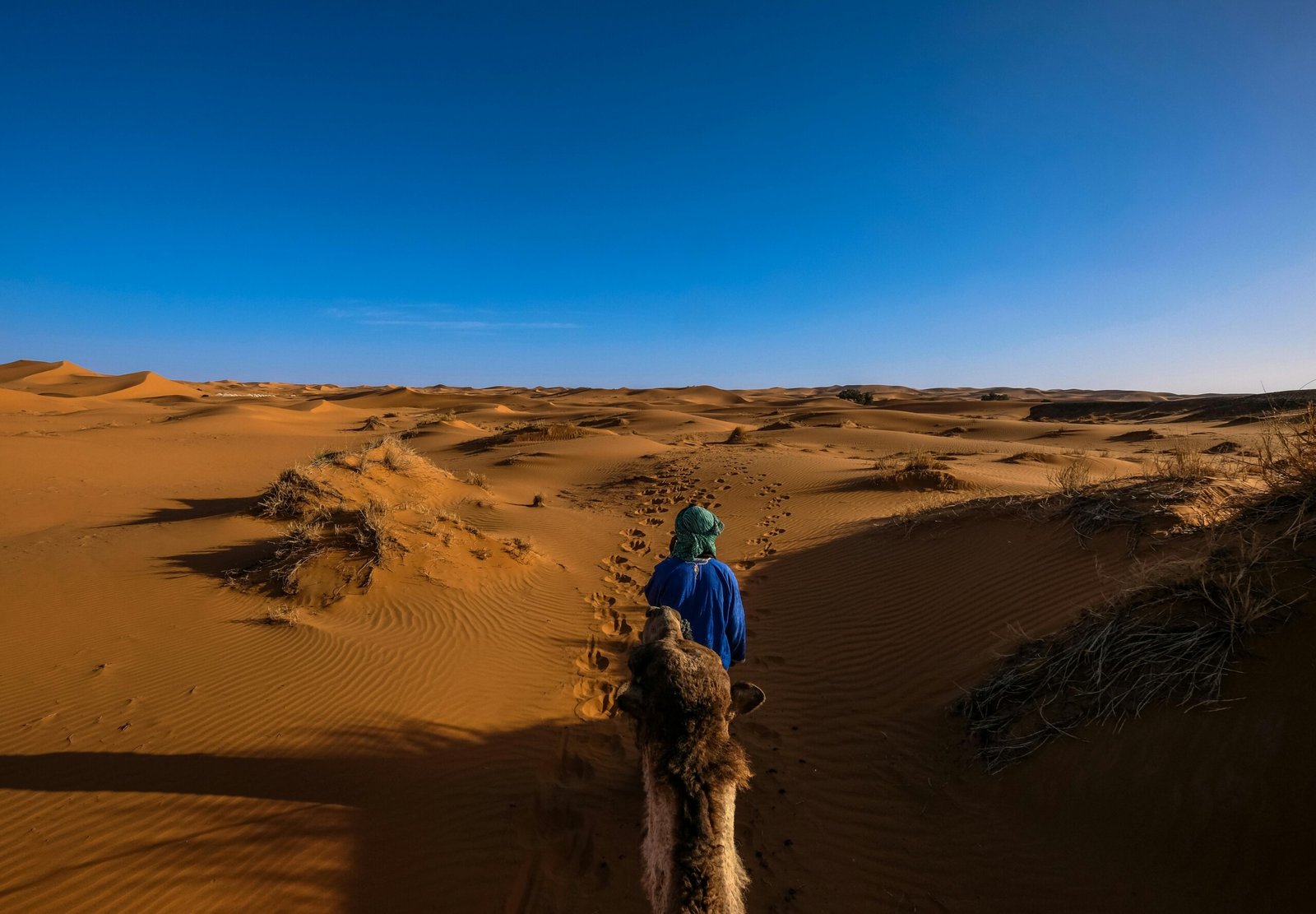
From the wild dunes of Erg Chegaga to the palm-filled oases of the Draa Valley, you travel along ancient nomad routes and forgotten desert tracks. Expect vast open spaces, hidden oases, star-filled nights, and authentic Sahara scenery shaped by wind, silence, and time. This is slow desert travel raw, immersive, and deeply connected to Morocco’s true desert soul.

Lake Iriki Off-Road Crossing: 4×4 Sahara Expedition
4 Day

Lake Iriki Off-Road Crossing: 4×4 Sahara Expedition

Lake Iriki Off-Road Crossing 4×4 Sahara Expedition & Nomad Life is a 4-day adventure designed for travelers who want to explore Morocco’s

5 Day

5-Day Luxury & Honeymoon Tour to Erg Chegaga

Experience a 5-day luxury & honeymoon tour to Erg Chegaga with private desert camps, sunset dunes, romantic dinners, and exclusive Sahara experiences in Morocco.

7 Day

This 7-day Morocco Photography Tour is a private, slow-paced journey from Marrakech through the Atlas Mountains to Ouarzazate, the dramatic landscapes of Dades Valley

Exploring Morocco’s Off-the-Beaten-Track Desert Regions

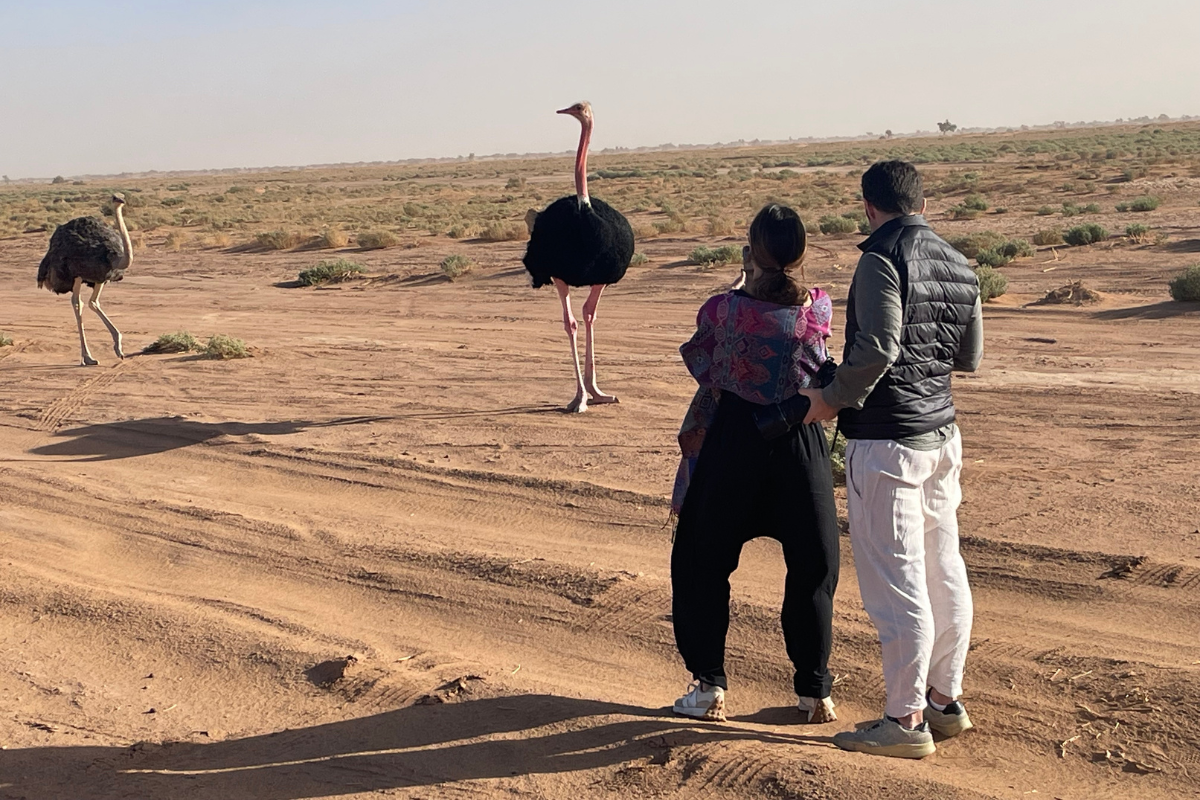
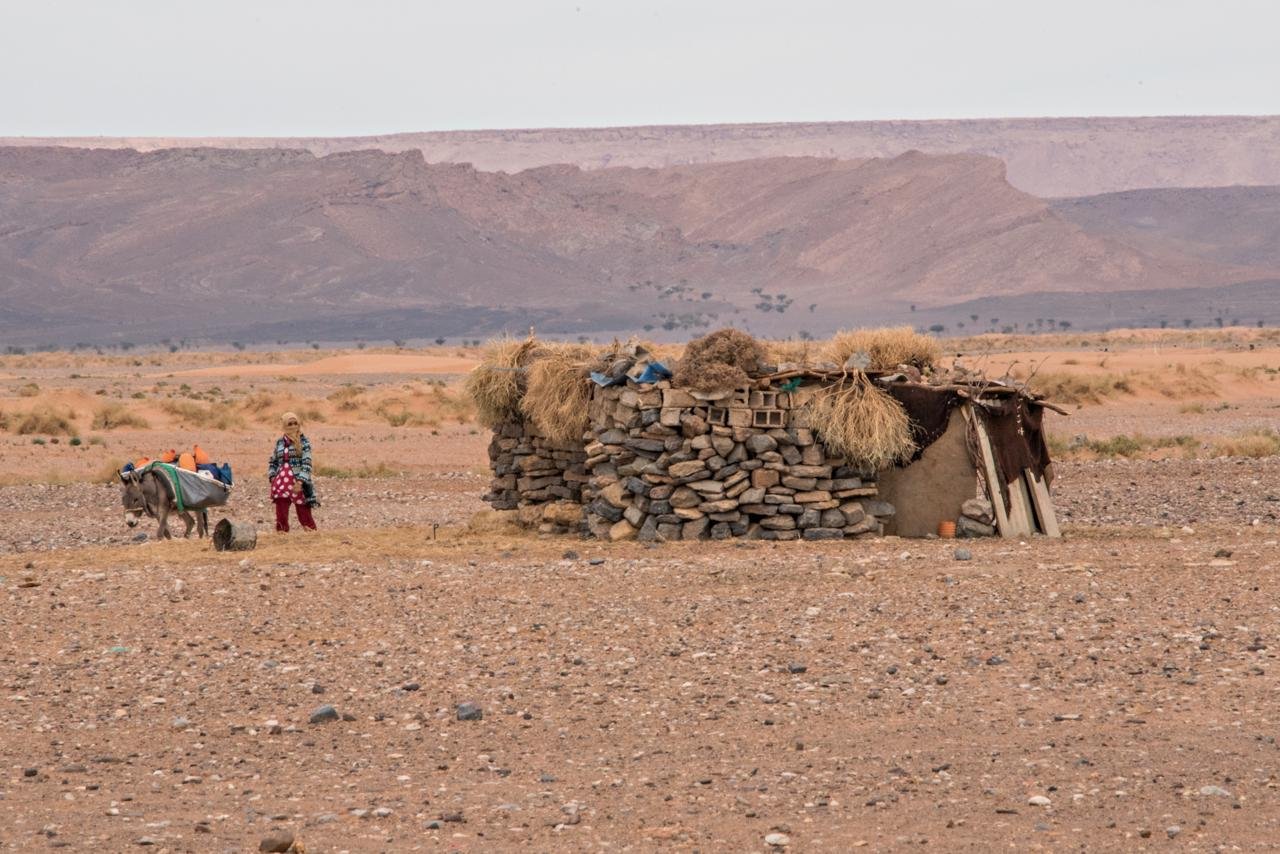
Our off-the-beaten-track desert journeys explore some of Morocco’s most remote and untouched regions, from the wild dunes of Erg Chegaga, reached only by 4×4, to the palm-filled landscapes and ancient caravan routes of the Draa Valley and M’hamid. Travel across the vast stone plains of Lake Iriki and the pre-Saharan gateway of Foum Zguid, then see the dramatic volcanic landscapes of Jbel Saghro, where nomad camps and high plateaus dominate the horizon. Along the way, you discover hidden oases and remote desert plateaus that no buses can reach, offering a true sense of isolation, freedom, and authentic Sahara travel.

Frequently Asked Questions – Off the Beaten Track Desert Tours in Morocco

What does “off the beaten track” mean in Morocco?

Off-the-beaten-track travel in Morocco means exploring remote regions far from crowded tourist routes. These journeys focus on wild desert landscapes, nomad tracks, hidden oases, and quiet areas rarely visited by mass tourism.

Are off-the-beaten-track desert tours safe?

Yes. All tours are led by experienced local drivers and desert guides who know the terrain well. Routes are carefully planned, vehicles are well equipped, and safety is always the top priority.

Which desert areas are included in these tours?

Our tours explore remote regions such as Erg Chegaga, the Draa Valley, Lake Iriki, Foum Zguid, Jbel Saghro, and hidden desert plateaus that standard tours do not reach.

Are these tours suitable for solo travelers?

Yes. These tours are ideal for solo travelers seeking meaningful experiences, silence, and nature. All journeys are private or small-group, ensuring flexibility and personal attention.

Do I need to be physically fit to join these tours?

No special fitness level is required for most routes. Activities are adapted to your pace, and trekking sections are optional. We design each itinerary based on your comfort and interests.

Can the tour itinerary be customized?

Absolutely. All off-the-beaten-track desert tours are fully customizable. Routes, travel pace, accommodation level, and activities can be adjusted to match your travel style.

What is the best time of year for off-the-beaten-track desert tours?

The best months are from October to April, when temperatures are pleasant and ideal for desert exploration. Summer tours are possible in certain regions with adapted schedules.

Is this type of travel environmentally responsible?

Yes. We follow a slow-travel and low-impact approach, work with local nomad families, support small communities, and avoid mass tourism routes to protect fragile desert environments.